Give Us This Day Our Daily Bread: An Encouragement to Read your Bible Everyday
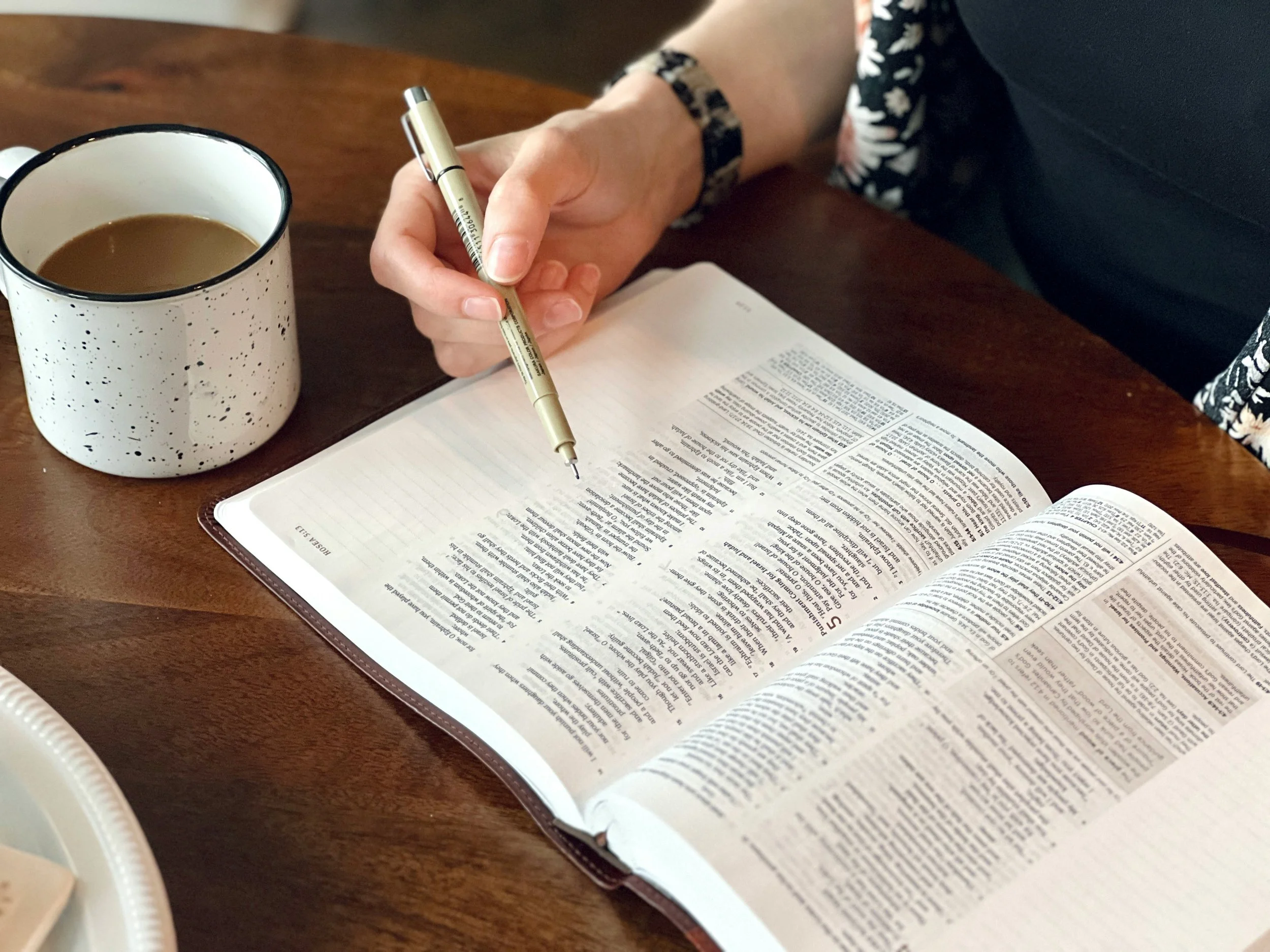
In a landscape of seemingly inexhaustible Christian resources designed to inspire daily living, foster spiritual formation, and develop systematic theology, nothing penetrates and transforms the human heart like the inerrant and enduring Word of God – the Holy Bible. This is not just a book; it is the inspired revelation of God’s heart for humanity. The fact of its very existence is a testimony to the incredible love that God has for us.
The Bible’s Role in Culture
The Bible’s role in culture has changed dramatically over the last 500 years, evolving from a Latin-based text primarily restricted to the clergy into widely accessible translations available in hundreds of languages today. Bible translating pioneers like John Wycliffe and William Tyndale sacrificed their reputation, and in the case of Tyndale, his very life, for the sake of getting the Bible into the everyday language of the people. They believed that it was God’s desire for everyone to read and understand Scripture in their own language. The idea of Sola Scriptura, or Scripture Alone, removed the barriers of church tradition and set the focus on the revelation of Scripture itself as the foundation for all Christian doctrine and practice. From the early work of Tyndale to the mainstream publication of the King James Bible in 1611, the Holy Bible has been a cornerstone of Western culture and influence.
Yet in our lifetimes, Bibles that were once the centerpiece of our main living spaces have often been relegated to forgotten bookshelves or closets alongside other disregarded books. While this larger trend of de-emphasis is symptomatic of generations that have embraced materialism over spirituality, Bibles have seen an unprecedented jump in sales since 2021, most likely in response to the instability and uncertainty of a post-pandemic society. Even more surprising is that a large portion of these sales has been driven by younger generations, like Gen Z. As truth itself seems to be eroding into the mirage of social media propaganda and AI-altered realities, there is an insatiable undercurrent of desire to find and embrace absolute truth. Christianity unapologetically offers a pathway not only to know absolute truth but to be known by absolute truth. Jesus tells us, in John 14:6-7, “I am the way and the truth and the life. No one comes to the Father except through me. If you really know me, you will know my Father as well.”
If Jesus is the way to know and be known by God, then the Bible, which is God’s direct words to us, should be a consistent and enduring part of our daily spiritual practice. This is not a mere liturgical and devotional exercise – this is life and health to our spiritual and physical bodies. Jesus refers to this as he teaches us the Lord’s Prayer, found in Matthew 6. When Jesus says, “Give us this day our daily bread,” he is not only referring to food as our physical nourishment, but also the spiritual nourishment we receive from God’s Word. We see this in his response to the devil during his temptation in the wilderness. He is tempted to turn stones into bread, and he answers by quoting Deuteronomy 8:3, “Man shall not live on bread alone, but on every word that comes from the mouth of God.” We recognize that physical bread will sustain us for a short time, but Jesus, who referred to himself as the “bread of life”, will sustain us for all eternity. When we read the Bible, we experience Christ himself, as the Apostle John reminds us in the opening words of his gospel, “In the beginning was the Word, and the Word was with God, and the Word was God. The Word became flesh and made his dwelling among us.” When we read Scripture and meditate upon the truth of Christ alive within us, we are transformed by the renewing of our mind.
Why Do We Struggle?
Considering the significant benefits of reading God’s Word daily, why do we struggle to make it a priority? This is where things get personal. In the interest of transparency, I have long struggled to read the Bible consistently. Given that I accepted Christ at an early age and have devoted the last 20-plus years of my life to local church ministry, it’s difficult to admit that I haven’t always maintained a robust devotional life.
God has been patiently guiding me to this season in my spiritual journey, and I believe something is shifting. Recently, I bought a Bible for a teenage nephew who was being confirmed in the Catholic Church. He’s my brother-in-law’s son, and I am seeing a spiritual hunger in him that I long to foster in his life. A Bible was one of the absolute best ways that I could encourage his spiritual development. While looking for a Bible for him, I realized I don’t know nearly enough about the many translations of the Bible. And being wired for research, I began searching not only to acquire knowledge about the Bible and its history, but also to develop a deeper appreciation for what the Bible is – the inspired Word of God.
It has been a rewarding journey, and I’ve found some helpful resources along the way that I’d like to share. If you are like me and want to cultivate a daily practice of reading the Bible, but don’t know where to start, this practical section is for you. The following recommendations are in no way directly affiliated with Orchard Hill Church, and I’m providing them only as a resource to help you enrich your Bible knowledge and cultivate your desire to spend time in the Word.
A Great Resource
One of the best resources I’ve found is a pastor and author named Tim Wildsmith. He has a YouTube channel with Bible reviews and encouragement for daily Scripture reading. He has authored two books, Bible Translations for Everyone and Daily Scripture Guidebook. His goal is to help people find a Bible that’s right for them and apply it to their lives.
Bible Translations for Everyone tells the story of some of the most popular versions of the Bible, including their historical context, the people who translated them, and what makes them unique. It encourages the reader to understand the spectrum between formal equivalence and functional equivalence, known as the difference between word-for-word translations that seek to match the wording of the original Hebrew, Aramaic, and Greek texts, and thought-for-thought translations that seek to convey the message of the ancient text in a way that makes the most linguistic sense to the reader.
Daily Scripture Guidebook is a 52-week journey that guides readers through the Bible in one year, while also providing weekly insights to help them comprehend what they read and apply it to their lives. Each of the 52 sections includes a weekly reading schedule, meaningful devotionals, and space for personal reflection. The Guidebook is designed to pair with the NIV Daily Scripture Bible, which curates the same daily readings as the Guidebook into an Old Testament passage, a New Testament passage, and a reading from Psalms or Proverbs. This daily bi-testamental approach provides a more cohesive way to experience the complete story of the Biblical narrative, viewing the totality of God’s redemptive plan for humanity, from the Garden of Eden in Genesis to the new heaven and new earth in Revelation.
After reading through Biblical Translations for Everyone, I was inspired to pick up copies of many of the main Bible translations mentioned in his book to further explore how each translation uniquely connects the reader’s heart to the original texts. I also got a copy of the Daily Scripture Guidebook, and I have begun using it as a daily reading plan. As I read through the Bible in a year, I am going to spend one month with each translation to experience the nuances of each, as I reflect on the Word of God each day.
I want to extend the invitation to you, as well, to consider developing a daily practice of reading God’s Word. You don’t have to use the resources I’ve mentioned, and you don’t have to read through the entire Bible in a specified time frame. What’s more important is that you’re connecting with God every day, and reading the Bible is a highly effective way to do that. If you’re like me and you have wanted to be more consistent in your devotional reading, here are some tips that Tim Wildsmith suggests for helping you along your journey:
1. Find a Bible That’s Right for You
It’s been said that the best Bible for you is the one you’re reading. With that in mind, there are many translations and types of Bibles available. Do some research and read different translations on free websites like Bible Gateway to find one that fits your reading style. Once you find a translation you connect with, then get a physical copy of that Bible. While a Bible app on your phone is convenient, using a device to read can often invite distractions, such as notifications and other apps that may pull your attention away from your intended focus. It’s helpful to find a Bible that is aesthetically pleasing, easy to read, and has features that will be meaningful for your study.
2. Stick to the Plan
Do your best to be consistent with your reading. If you’re new to reading the Bible every day, start small. Pick a book in the Bible and read a chapter each day. As you develop the habit of reading, you’ll be able to add longer passages to your daily schedule without feeling overwhelmed. If you decide to use the Daily Scripture Guidebook as a reference, the readings take 15 minutes or less each day, and that will guide you through the entire Bible in a year. If you miss a day, don’t give up – catch up the next day by reading two days at once. Whatever your plan, it needs to feel manageable for you to be consistent.
3. Read at the Same Time and Place Every Day
This goes right along with tip #2 – consistency is key. You need to create a time and space in your day that feels inviting and distraction-free. This may be the first thing in the morning, in a comfortable chair at home. It may be at work on your lunch break. It may be in the evening after your kids go to bed. Wherever and whenever this is, making this a consistent rhythm in your life will help you look forward to it every day.
4. Engage with the Text
Don’t just read the Bible; engage with the text in a deeper way. Write down questions, highlight or underline key words or phrases that stand out to you. Consider choosing one standout verse a week to commit to memory – this will take some extra effort, but hiding the Word of God in your heart will reap a harvest of reward when you need it most.
5. Invite Someone to Join You
That’s what I’m doing right now by sharing this with you. I want others to join me on a daily journey of reading the Word because it creates accountability to stick to the plan. I encourage you to invite a friend or family member to join you on your journey through the Bible. It will give you someone to share your thoughts and questions with.
6. Remember to Pray
The time we spend reading the Bible should go hand in hand with prayer. Sharing your heart with God aligns your desires with his will. It opens you to receive from him through his Word. You can pray for others during this time or pray for the time of reading. I encourage you to begin your time with God by offering a simple prayer of consecration:
“God, I give this time to you. Please speak to me and reveal your truth. Amen.”
And then end your time of reading with a prayer of benediction:
“God, thank you for speaking to me through your Word. May your kingdom come and your will be done in and through me. Amen.”
The Holy Bible is unlike any other book. It is truth in an age of falsehood, light in a dark place, and hope for all humanity. 2 Timothy 3:16-17 says, “All Scripture is God-breathed and is useful for teaching, rebuking, correcting, and training in righteousness, so that the servant of God may be thoroughly equipped for every good work.” I desire that we may be thoroughly equipped, so that we will be effective for the work of the kingdom. God has provided his written Word, and it is available for us to meditate upon it, day and night. I invite you to that journey; I will be journeying alongside you.