The Torn Veil: A Moment That Changed Everything
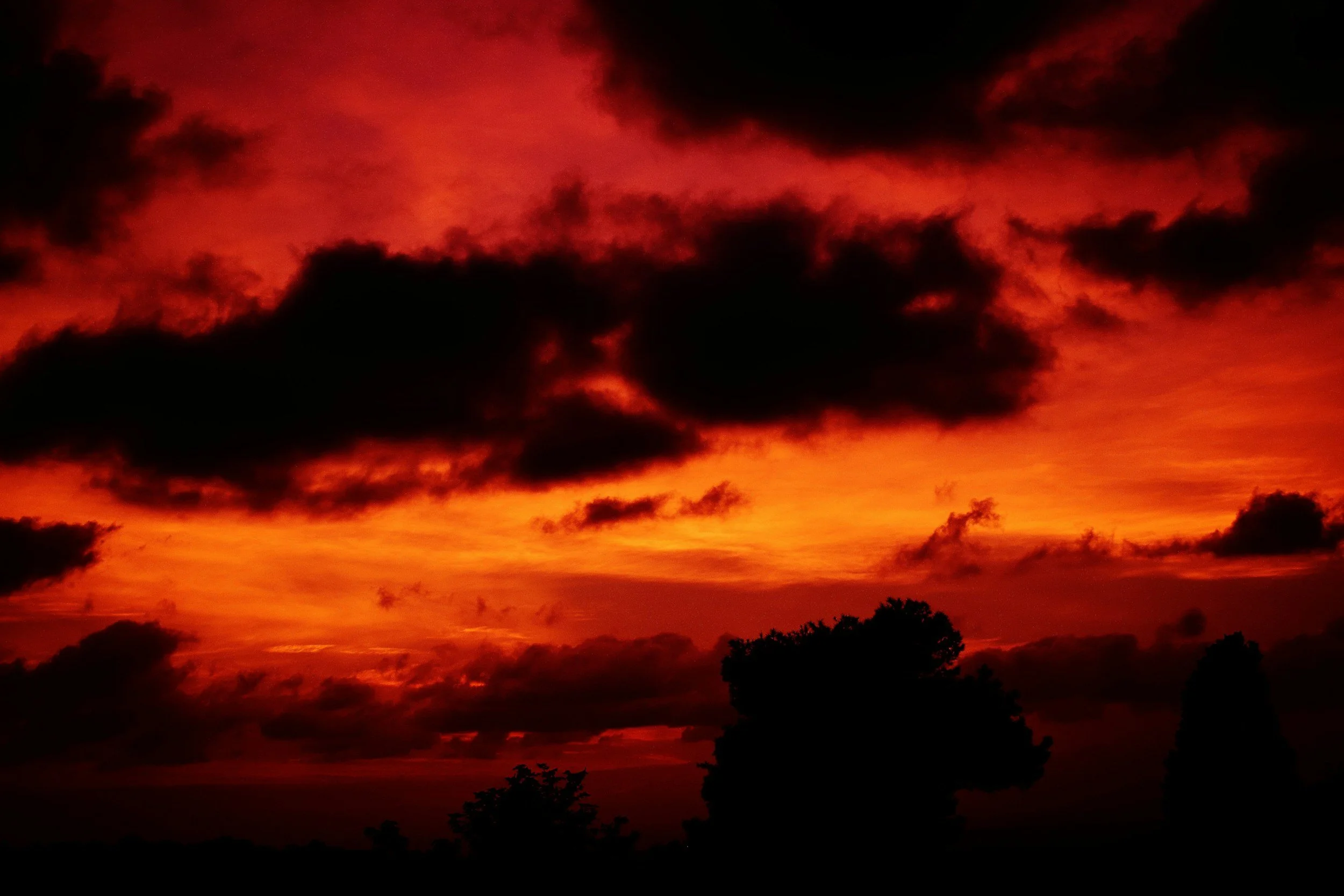
The ominous sky had stilled. Darkness fell over the land (Matthew 27:45). A quiet dread settled—a foreboding of something terrible to come. The crowd, some there out of love, some out of curiosity, some from malice, hushed. They knew something of immense importance was happening. Even the birds stopped flying. It was as if creation itself stopped to look upon this grim spectacle. Everything that was wrong and broken and ugly seemed to be contained in this one moment. One almost expected some horrible outpouring of evil to break forth in this unnerving silence, like the stillness before a dreadful storm.
Suddenly, an almost inhuman voice pierced the silence: "Eli, Eli, lema sabachthani?"—My God, my God, why have you forsaken me? (Matthew 27:46). A last horrible gasp, and the head of the condemned fell to his still chest. As if on cue, a burst of wind whipped, kicking up dust and howling cruelly. A sharp crack of lightning made even the grizzled Romans—who had stood tall and strong in battles that would make brave men cower—instinctively duck and cover their helmeted heads with their hands, their eyes alight with terror. "Who was this man called the King of the Jews that we just killed?" they wondered fearfully.
At that moment, trepidation gave way to terror as the earth itself began to heave and tremble (Matthew 27:51). Would they be swallowed alive? Were the devils of Hell bursting forth from the abyss to assail them?
As the ground shook, the crosses swayed like reeds in a breeze. The other two condemned criminals screamed aloud in fear and agony, adding to the chaotic cacophony of the cowering crowd.
Below in Herod's temple, the priests—privy to the travesty of justice the Sanhedrin had forced upon Procurator Pilate—were knocked to the floor or clung desperately to the giant blocks of the temple walls. Like the soldiers, the thought flashed through their minds: "What if this earthquake was sent by God to crush us for the injustice committed against this innocent man?" Who was this one whom the chief priests called a blasphemer, but whose disciples called Him "Lord"?
Suddenly, as the tumult began to subside, they heard a noise like the crashing of a giant wave. As they gained their footing, they rushed toward the Holy of Holies—that precious space where the Lord had chosen to make His Shekinah glory dwell among men, the most holy place on earth. In dread and awe, they saw the massive curtain dividing God's holy presence from the corruption of fallen man, torn in two from top to bottom (Matthew 27:51, Mark 15:38). The precious contents behind it were now in full view of sinful human eyes.
This curtain—60 feet tall and 30 feet wide, weighing nearly 60,000 pounds—was torn like a child tearing a leaf. It had stood as an awesome representation of the impenetrable divide between the holiness of God and the sinfulness of man. On four-inch-thick purple velvet were embroidered cherubim, representing the angels with flaming swords who had protected that other holy place where man once met God—the Garden of Eden (Genesis 3:24).
After Adam's fall, the angel of God with a flaming sword stood guard to keep the expelled couple from their former home and from access to the tree of life. For if they had eaten of that tree in their fallenness, all would have been lost—for eternity they would be separated from God with no way back.
"What could this mean?" the priests pondered. "And what should we do?" The veil that separated God from man was rent in two, and suddenly there was no more barrier between the holy and the profane.
Years later, the author of Hebrews, writing to a Jewish audience, explained the profound meaning:
"Therefore, brothers and sisters, since we have confidence to enter the Most Holy Place by the blood of Jesus, by a new and living way opened for us through the curtain, that is, his body, and since we have a great priest over the house of God, let us draw near to God with a sincere heart and with the full assurance that faith brings, having our hearts sprinkled to cleanse us from a guilty conscience and having our bodies washed with pure water" (Hebrews 10:19-22).
Jesus, in His act of eternal mercy, allowed His body to be torn. Like the curtain that was torn to reveal the Holy of Holies, His sacrifice opened the way for us to have access to our holy Heavenly Father. No longer must we be separated from God. No longer must a high priest sprinkle the blood of an innocent sacrifice on the altar of God for the forgiveness of the people's sin (Hebrews 9:11-12). Instead, we have a great High Priest—Jesus—who by His torn body and spilled blood purchased eternal forgiveness and eternal access to the very throne room of heaven.
Tim Keller once asked, "Who can go to a king at three in the morning to ask him for a glass of water?" Only a child of the king. Through Jesus' death and sacrifice, the veil has been torn, and we have access to the King of Kings because, through faith, we have been called the children of God (1 John 3:1, Romans 8:16).
The moment of Christ's death was not just an ending—it was the beginning of everything. The torn veil stands as an eternal testimony that the way to God is now open to all who believe.